5 Questions You Should Ask on a School Tour (From a Former Teacher)
Touring elementary schools? Learn the 5 most important questions to ask, from class size to discipline and technology, so you can confidently choose the best school for your child. Written by a former teacher with real insider tips for parents.
Let’s talk about choosing an elementary school for your child… because wow, it can feel like a LOT.
You might be deciding between your local public school, private schools, charter schools, and magnet programs…and suddenly you’re comparing very different environments.
If you’re in that stage right now, trying to figure out which school is actually the right fit—this is for you.
Because here’s the thing:
A school can look amazing online… and feel completely off when you walk in.
That’s why I always recommend touring schools in person.
And more importantly have conversations during the school tour. This is not a museum tour- it's a conversation about where your child will be spending their time 5 days a week 8 hours a day for years on end.
and supporting parents who are trying to make this exact decision
These are the questions I personally use when I tour schools and they will tell you so much about what your child’s experience will actually be like.
Let’s get into it.
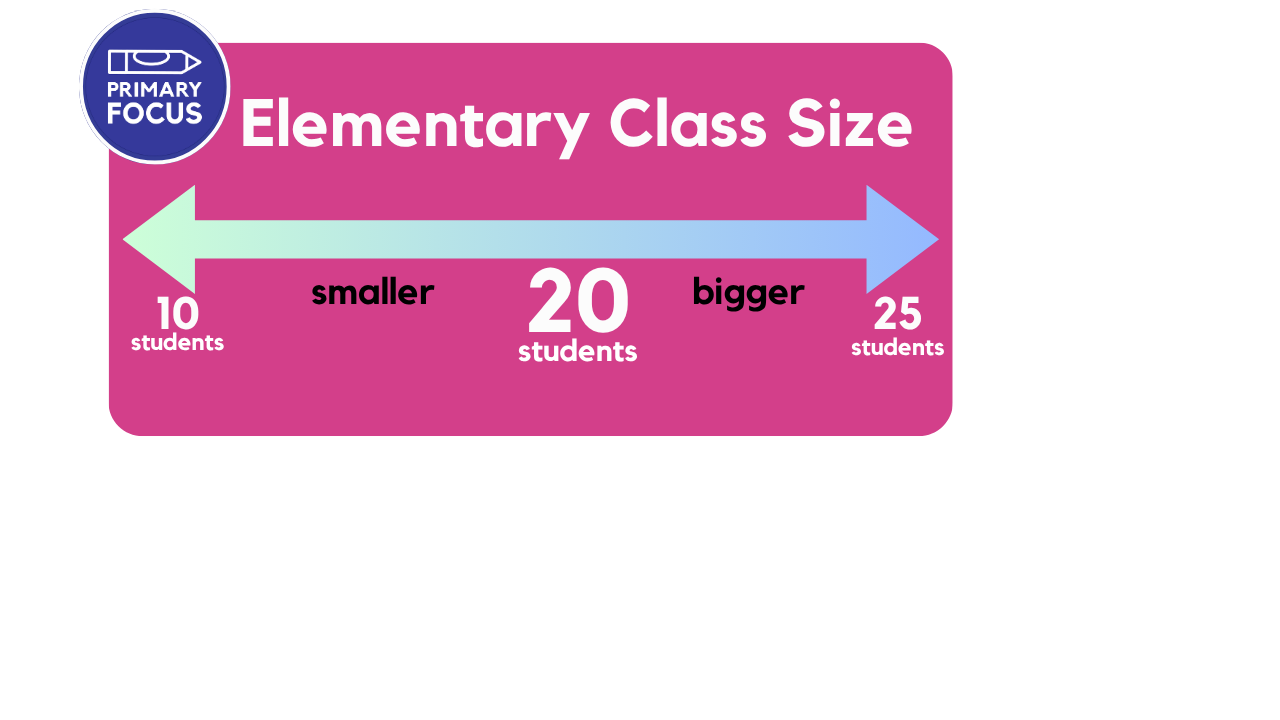
#5: What is the average class size by grade?
I’m just going to say it:
👑 Class size is king.
It matters more than almost anything else when it comes to your child’s day-to-day experience.
When I had smaller classes as a teacher, I could:
catch struggling students quickly
actually extend learning for advanced kids
be more creative and flexible
When classes got bigger… everything got harder.
What should you look for?
Under 15: Very small and rare. Unless it's a rural area, financially it's tough to run a school with class sizes that small
15-20 (especially K–2): Smaller Class Size
20–24: Bigger Class Size
25+: that’s a lot of kids
30+: RUN
And follow up question to ask:
Is there another adult in the room?
Because 24 kids with a teacher and a full-time assistant feels VERY different than 24 kids with one adult.
Final note- In public schools, you’re usually not going to see classes under 15. That’s just how staffing works.
#4: How do you handle discipline?
I know this question can feel a little awkward.
Like… “I promise my kid is great, but also—what happens when they’re not?” 😅
But you need to ask it.
Because every child is going to have a moment at school at some point.
What you’re hoping to hear:
Something in the middle:
a clear school-wide approach
but also flexibility based on the child, age, and situation
Because yes, consistency matters. But so does understanding that a 5-year-old having a rough day is not the same as a repeated behavior from an older child.
You want thoughtful, consistent, human discipline.
#3: How do you support different learners?
This is where you can really customize your question.
You might ask:
How do you support struggling students?
What about advanced learners?
Students with special needs?
Kids learning English?
Even if your child is doing great right now… they won’t be great at everything forever.
Every child will at some point need additional support in school.
One answer I do NOT love:
“We don’t really have that issue because we have an entrance test.”
A good school knows that and has systems in place to support all learners—not just the “average” one.
The sneaky reason I ask these questions:
Private schools can discriminate. They do not have to admit children with special needs, that aren't fluent in English, or don't fit their value system.
These questions will help you understand the children celebrated in the school.
Consider if your child would fit in at this school...and who is excluded. Diversity is so important and school is one of the main places children are exposed to different types of people.
#2: How is technology used?
Okay, this is a big one right now.
When I started teaching, the push was: “More technology! Get kids on computers!”
Now?
A lot of parents are asking: “Wait… is this too much?”
Ask things like:
How often are kids using devices?
How many hours per day?
What does this look like in older grades?
A kindergarten classroom might have very limited tech… …but by 4th or 5th grade, kids could be on laptops for hours a day.
And for some families, that’s a dealbreaker. For others, it’s fine. There’s no “right” answer—but it needs to match your comfort level.
#1: What type of child thrives here?
This is my favorite question. Every time.
And honestly? I think it’s a little underrated.
Ask:
“What does a typical student here look like?”
“What kind of child thrives here?”
“Who might struggle?”
…and then just let them talk.
This tells you what they value, what their expectations are, and what kind of personalities fit best
And as you’re listening, you’re asking yourself: Does this sound like my child?
⭐ Bonus: If you're looking at religious schools
Ask: How many hours per week are spent on religious education?
And I want you to include: religion classes, worship time, anything built into the curriculum
My personal rule of thumb:
If it’s more than 3 hours per week, they are cutting into academic time somewhere.
That doesn’t mean it’s wrong. It just means you need to decide: Is that a priority for your family? Or do you want academics to take the lead?
And then figure out how you’ll balance things outside of school if needed.
Don’t Just “Feel It Out” on a Tour
It’s really easy to walk out of a school and think:
“That seemed nice!”
But these questions help you go deeper than that.
They help you figure out:
how your child will actually be supported
what their day will look like
and whether they’ll truly fit in that environment
📥 I Made You a Free School Tour Checklist
Because I know you’re not going to remember all of this while you’re walking around a school 😄
I put together a free checklist with 20 questions to ask on school tours
Need Help Choosing Between Schools?
If you’re stuck between options, this is exactly what I help parents with.
We’ll walk through your options and make a clear plan.
About Primary Focus
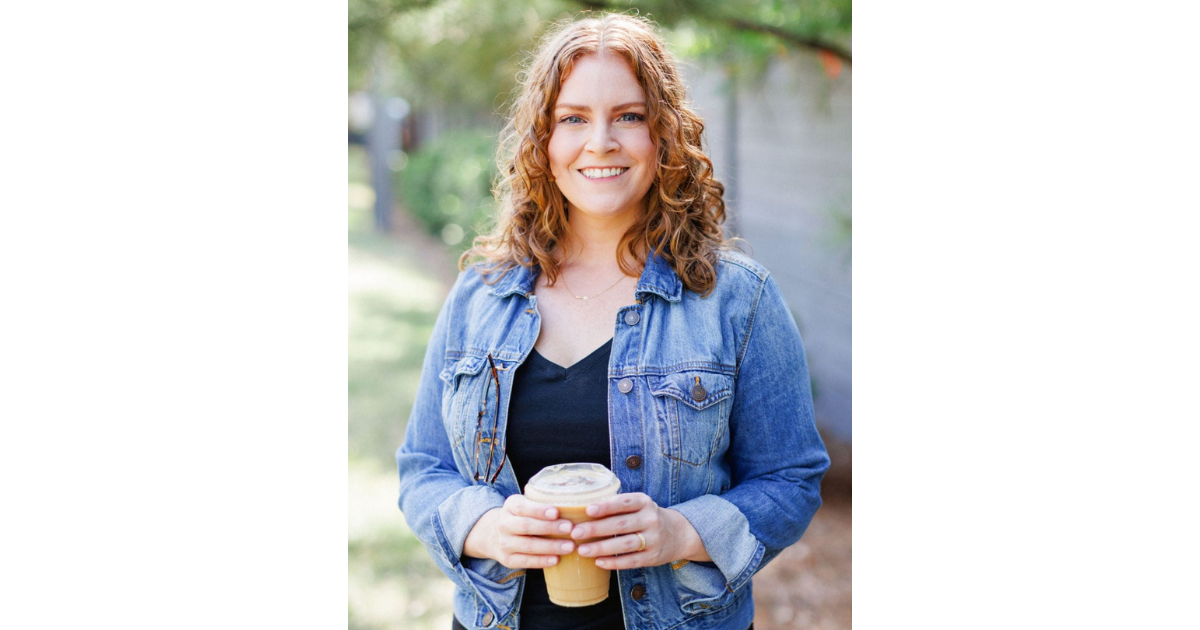
Natalie Parmenter, founder
Natalie is a former elementary teacher with a Master's in Education
from Johns Hopkins University. She works with parents to navigate the
school system, leads speaking engagements for school districts, and runs
a dedicated YouTube channel and newsletter for families.
💌 You’re not alone in figuring school out.
The Primary Focus newsletter shares the clarity, language, and support every parent needs to feel confident - right in your inbox.